
ERP & MIS Platforms Teams Actually Use
 Home
Home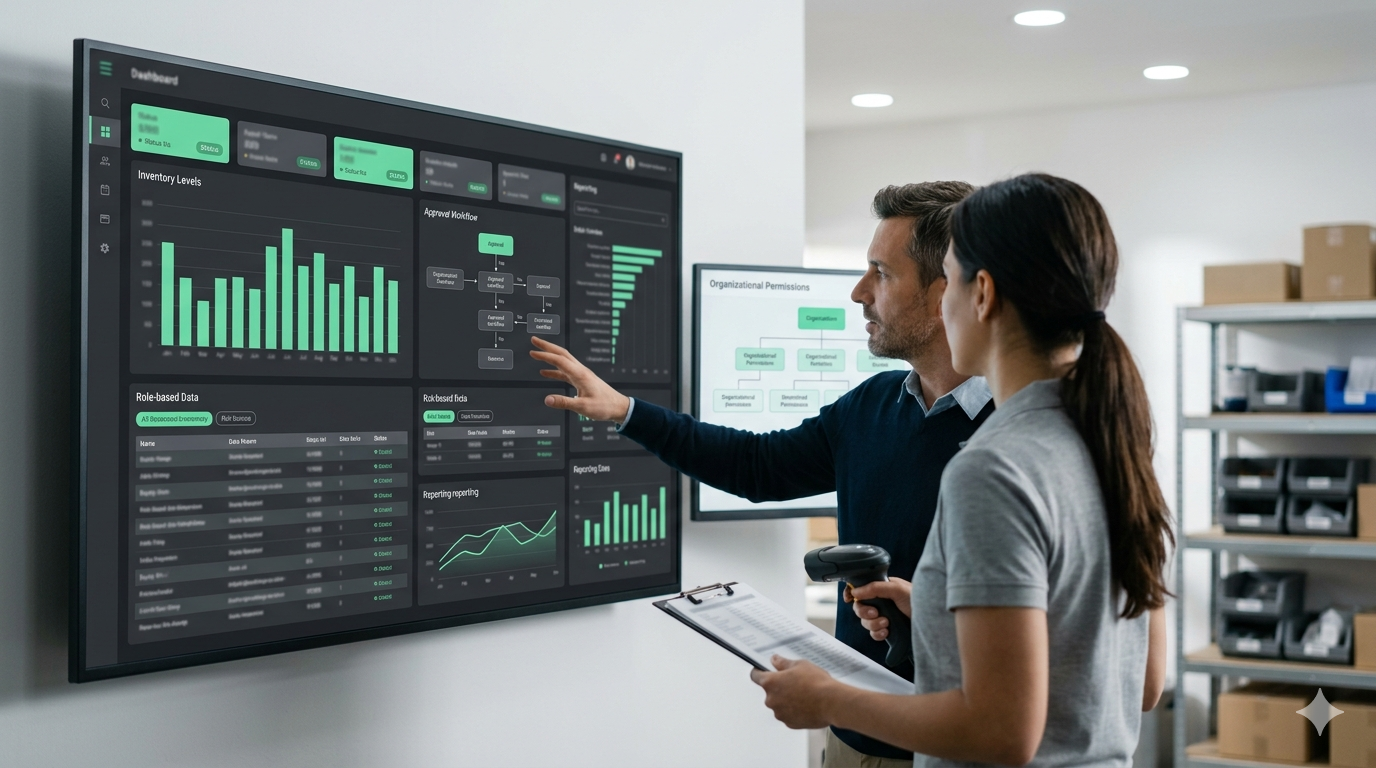
Jaskaran
Enterprise Software
08 May 26
ERP & MIS Platforms Teams Actually Use
I've delivered ERP and MIS platforms for operations, finance, and management teams. The pattern is familiar: spreadsheets everywhere, duplicate data, and a legacy tool nobody trusts. The goal isn't more screens—it's software that matches how people already work, then improves it step by step.
Listen to the floor, not only the boardroom
Before I write a line of code, I talk to the people entering data daily. Warehouse staff, accountants, and team leads see edge cases executives never hear. I turn those into roles, permissions, and workflows in the system. When users feel heard in discovery, adoption on launch day is dramatically higher.
Features I prioritize in ERP/MIS builds:

Role-based access so people see only what they need.
Audit trails for inventory, approvals, and financial changes.
Reports that export cleanly—PDF, Excel, or API—for leadership.
Dashboards that load fast even with years of historical data.
Build for change from day one
Business rules shift. Tax structures change. New branches open. I architect modules so you can add a workflow without rewriting half the app. That usually means clear service boundaries, versioned APIs, and a database schema that normalizes the right things—not everything, but the parts that must stay consistent.
If you're outgrowing spreadsheets
You don't need a two-year transformation program to get value. I've helped clients ship phased MIS rollouts—inventory first, then billing, then analytics—so each release pays for the next. If your team is drowning in manual reports, let's scope something realistic and ship a module that saves hours in week one.