
Modernizing Legacy PHP Apps Without Breaking the Business
 Home
Home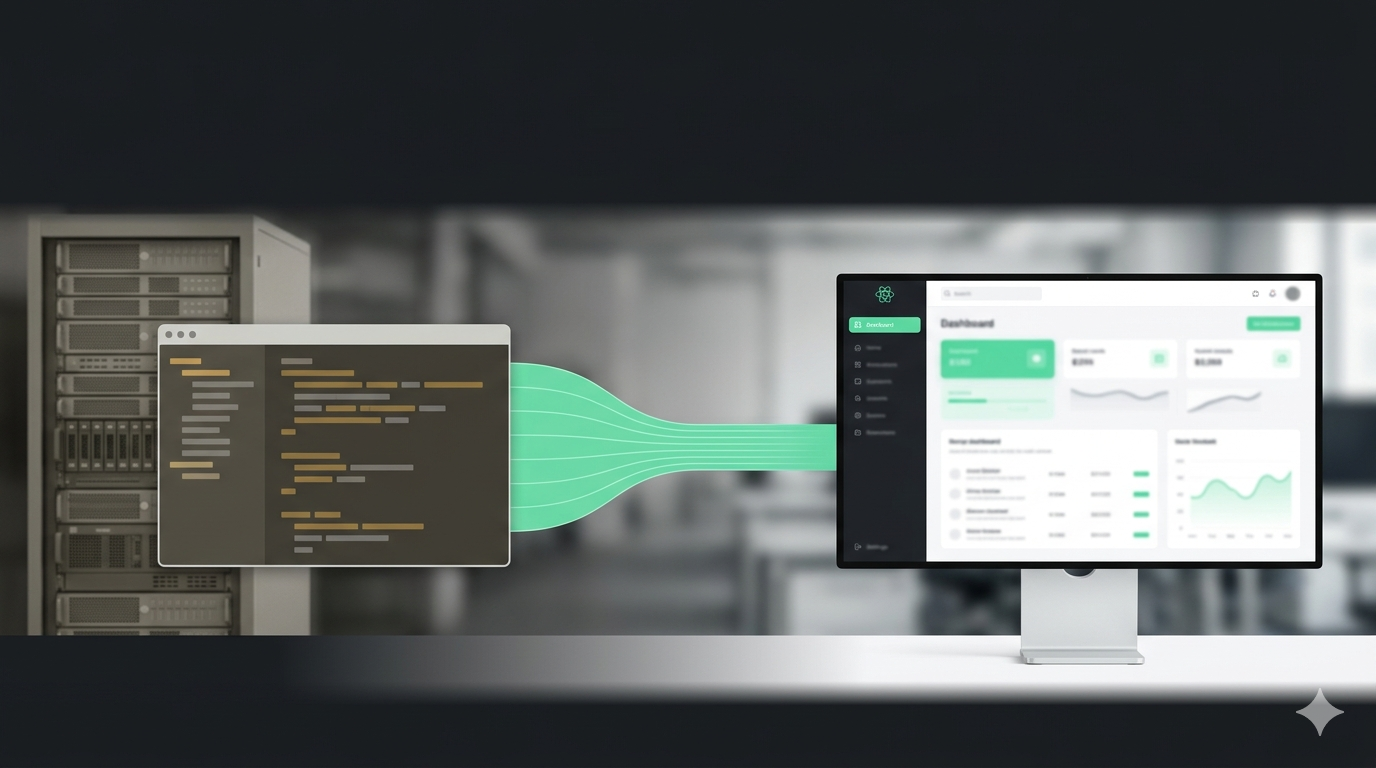
Jaskaran
Modernization
05 Apr 26
Modernizing Legacy PHP Apps Without Breaking the Business
A lot of profitable businesses still run on PHP monoliths from years ago. They work—until they don't. Security patches pile up, mobile users suffer, and every new feature feels risky. I've modernized legacy stacks without the big-bang rewrite that kills cash flow. Here's my approach.
Strangler pattern, not big bang
I don't rip out the old system on day one. We identify a high-value module—customer portal, admin dashboard, or reporting—and rebuild it as a React app talking to new or refactored APIs. The legacy core keeps running. Users get a better experience where it matters most, and risk stays controlled.
Typical modernization steps:

Audit existing database and business rules—what must stay exactly as-is.
Expose stable REST endpoints from PHP or introduce a Node layer gradually.
Ship a React UI for one workflow and gather feedback.
Iterate module by module until the monolith shrinks to what still earns its keep.
Protect your data and your team
Migrations fail when data integrity is an afterthought. I script migrations with rollback plans, stage on copies of production data, and schedule cutovers when support load is low. Your staff shouldn't learn a completely new system overnight—training happens per module.
Still on PHP? That's fine.
Modern doesn't mean throwing away PHP. It means clearer boundaries, tested APIs, and interfaces people enjoy using. If your legacy app is holding back growth, I can map a phased plan with realistic cost and milestones—no sales fluff, just what I'd do if it were my business.